


Tuesday, April 21, 2026 1:00 p.m. (EST)
WAYS TO JOIN THIS WEBINAR
- Join from PC, Mac, iPad, or Android
Join Webinar If the button above does not work, paste this into your browser:
https://us06web.zoom.us/w/82108332718?tk=p2r9ZB3NLNmM7jGBQveExGYsCJVy_uWF9jDNZfNLlOw.DQkAAAATHgm6rhZoUFcxUDJoZlREV0JQVXd5RE9RS2lnAAAAAAAAAAAAAAAAAAAAAAAAAAAAAAAAAAAAAAAAAAA&pwd=6UWv9nYzIKipzcyKcenYAsHlzMF2oM.1&uuid=WN_Kchew5jrQCCs5PL6PVyMKQTo keep this webinar secure, do not share this link publicly.
- Join via audio
US: +16469313860,,82108332718# or +19292056099,,82108332718#Or, dial: US: +1 646 931 3860 or +1 929 205 6099 or +1 309 205 3325 or +1 312 626 6799 or +1 301 715 8592 or +1 305 224 1968 or +1 564 217 2000 or +1 669 444 9171 or +1 669 900 6833 or +1 689 278 1000 or +1 719 359 4580 or +1 253 205 0468 or +1 253 215 8782 or +1 346 248 7799 or +1 360 209 5623 or +1 386 347 5053 or +1 507 473 4847
More International numbersWebinar ID:821 0833 2718Passcode:087406Webinar SpeakersDavid IngordoIngordo Bloodstock, LLCDavid Ingordo is a racehorse owner and bloodstock agent. Ingordo previously worked for Robert Frankel Inc., Walmac International and Juddmonte Farms USA. Currently, he is part of Lane’s End Farm with the bloodstock division Ingordo Bloodstock, LLC and helps to manage Belladonna Racing, LLC. Ingordo brings deep industry insight from his years of managing racehorses and working hands-on at the racetrack. He has previously served on HISA’s Horsemen’s Advisory Group.
Lisa LazarusChief Executive Officer·Horseracing Integrity and Safety AuthorityAs HISA’s Chief Executive Officer, Lisa Lazarus oversees the Authority’s full operations, including the implementation of the Racetrack Safety Program and the Anti-Doping and Medication Control (ADMC) Program. Lazarus works with stakeholders both within and outside the racing industry to evaluate and improve both programs on an ongoing basis. Lazarus has a strong background in sports business and law. She established and led the Equestrian Practice at Morgan Sports Law, representing athletes, owners and trainers in disputes before national and international governing bodies. Prior to joining Morgan Sports Law, she served as General Counsel and later as Chief of Business Development & Strategy at the Fédération Équestre Internationale, the international governing body for equestrian sports. Earlier in her career, Lazarus spent a decade at the National Football League, where she served as the league’s Labor Relations Counsel and Senior Legal Counsel. Lazarus began her legal career as an associate at Akin Gump after clerking for a Federal District Court Judge in Memphis, Tennessee, following her graduation from Fordham University School of Law. In 2024, Lazarus was honored as a Game Changer by Sports Business Journal for her exemplary work as a woman in sports.
Jim Gates, Jr., CPAChief Financial Officer·Horseracing Integrity and Safety AuthorityAs the Chief Financial Officer of HISA, Jim Gates manages the finances, including financial planning and reporting and human resources for the Authority. With a 30-year career in the Thoroughbred industry, he brings a broad range of experience across multiple areas of business. As a result, he has in-depth knowledge and experience in track operations and finance, horsemen and customer relations, safety and integrity pursuits, trainer and broodmare farm operations and finance and regulatory and legislative matters.Gates spent 14 years at Churchill Downs Incorporated (CDI), including seven years as General Manager of Churchill Downs Racetrack and three years as Vice President of Development, during which he oversaw mergers and acquisitions. Following his time at CDI, Gates spent several years serving as CFO/COO of Dale Romans Racing Stable. He has also served on the Boards of Directors of the Racing Medication & Testing Consortium, Racing Officials Accreditation Program, Racing Surfaces Testing Laboratory and Thoroughbred Racing Associations. Additionally, prior to his time at HISA, Gates spent roughly 10 years conducting safety accreditations for the Safety & Integrity Alliance at racetracks nationwide, learning and espousing best practices in all areas of equine and human safety. Gates is a Certified Public Accountant, with a Bachelor of Science from the University of Dayton and a Master of Business Administration from the University of Notre Dame.
Ron MoquettRon Moquett is an Oklahoma native and trainer based in Hot Springs, Arkansas. Moquett races in Arkansas, Kentucky, New York and Oklahoma. He has been a trainer since 1997 and trained 2017 Kentucky Derby hopeful Petrov. Moquett has trained multiple stakes winner Far Right, Grade 1 winner Seek Gold, 2013 Breeders’ Cup Sprint third-place finisher Gentlemen’s Bet and 2020 Breeders’ Cup Sprint winner Whitmore.
John RoachOutside Legal Counsel to HISA·Ransdell Roach & Royse PLLCJohn Roach is a former Kentucky Supreme Court Justice who also served as General Counsel to Governor Ernie Fletcher. John has successfully argued cases before the Kentucky Court of Appeals, Kentucky Supreme Court and U.S. Court of Appeals for the Sixth Circuit. John is an avid horse racing fan with a genuine passion for the sport and the Commonwealth’s role as the epicenter of the thoroughbred world. He has represented a number of domestic and foreign clients in all aspects of thoroughbred breeding and racing. John is the former Vice Chairman of the Kentucky Horse Racing Commission and currently serves as outside Legal Counsel to the Horseracing Integrity and Safety Authority. He has been included in The Best Lawyers in America® for numerous years and is AV Preeminent® Peer Review Rated by Martindale-Hubbell®. His practice primarily focuses on appellate advocacy, equine law and corporate transactions for businesses and entrepreneurs. Over the last several years, John has devoted more time to serving as an arbitrator and has presided in over fifty arbitrations. John is an American Arbitration Association Panel Member and has been serving as an arbitrator through the AAA and privately by mutual agreement of the parties. Zoom.com
55 Almaden Blvd
San Jose, CA 95113+1.888.799.9666
©2026 Zoom Communications, Inc.
2026 Annual HISA Town HallDate & TimeApr 21, 2026 01:00 PM Eastern Time (US and Canada)Webinar ID821 0833 2718Passcode087406DescriptionYou’re invited to HISA’s upcoming virtual Town Hall on Tuesday, April 21 at 1:00 p.m. EDT, where HISA leadership will host a transparent conversation on our financial processes, add context to our 2025 Annual Metrics Report and answer your questions about all things HISA.
Moderated by multiple graded stakes winning Trainer Ron Moquett and founder of Ingordo Bloodstock, LLC David Ingordo, the two-hour, virtual session will feature HISA leadership having an open conversation regarding HISA’s ongoing mission and answering your questions directly.
What we’ll cover
– How HISA builds and manages its budget
– Where funds are allocated and spent
– How those funds help drive progress toward our safety and integrity goals
– The upcoming Lasix vote
Speakers
– Lisa Lazarus: HISA Chief Executive Officer
– Jim Gates, CPA: HISA Chief Financial Officer
– John Roach: Outside Legal Counsel to HISA
The presentation will be followed by a live question-and-answer session, where we will respond to every question submitted.
Ahead of the webinar, participants are encouraged to review “Understanding HISA’s Budget,” a two-page factsheet available on the HISA website that addresses frequently asked questions regarding HISA’s finances and expenditures.
The town hall continues HISA’s ongoing commitment to transparency and open engagement regarding its rules, operations and governance. Recordings of prior town halls are available on the HISA website.
Written questions may be submitted both in advance of and during the town hall. A replay of the event will be made available on the HISA website for those unable to attend live.
HISA welcomes participation from all interested members of the Thoroughbred racing community.
Resources:
Set forth below is HISA’s proposed 2026 budget. If you would like to submit comments to HISA on any aspect of the planned 2026 budget, please email Samuel.Reinhardt@hisaus.org no later than 12:00 p.m. ET on Friday, July 25, 2025. HISA will post any pertinent comments it receives on its website. Comments will be posted here.
Live Town Hall Live “Virtual” Meeting
Tuesday April 21, 2026
You’re invited to HISA’s upcoming virtual Town Hall on Tuesday, April 21 at 1:00 p.m. EDT, where HISA leadership will host a transparent conversation on our
financial processes, add
context to our 2025 Annual Metrics Report
and answer your questions about all things HISA.
Moderated by multiple graded stakes winning Trainer Ron Moquett and founder of Ingordo Bloodstock, LLC David Ingordo, the two-hour, virtual session will feature HISA leadership having an open conversation regarding
DRAFT NOTICE OF FILING OF HISA BUDGET
***********
Pursuant to the Horseracing Integrity and Safety Act of 20201 (the “Act”) and the Federal
Trade Commission’s (the “Commission”) Procedures for Oversight of the Horseracing Integrity
and Safety Authority’s Annual Budget,2 notice is hereby given that on _____________
, 20253
,
the Horseracing Integrity and Safety Authority (“HISA” or the “Authority”) filed with the
Commission the Authority’s proposed 2026 budget. This Notice of Filing of the HISA Budget (the
“Notice”) provides the contents of the submission as set forth in 16 CFR Part 1 Subpart U.
I. Information Concerning Rule 1.150(b).
4
II. Information Concerning Rule 1.150(c)(1). The Authority’s proposed 2026 budget
was approved by its Board of Directors by a vote of 9 to 0 before the proposed budget was posted
on the HISA website.
5 Therefore, the requirements of 15 U.S.C. § 3052(f)(1)(C)(iii) and Rule
1.150(c)(1) have been satisfied.
III. Information Concerning Rule 1.150(c)(2). In accordance with 15 U.S.C. § 3052(f)
and using the Methodology for Determining Assessments Rule approved by the Commission, the
Authority calculated the following:
• 2026 Assessments by State (attached as Appendix 8).
6
• 2026 Assessments by Track (attached as Appendix 9).7
Appendix 8 and Appendix 98 display the estimated amount required from each State racing
commission as calculated under the Methodology for Determining Assessments.
The 2026 HISA Budget includes the following revenue line items:
• Racetrack Safety Fines Income – this consists of fines levied for violations of the
Racetrack Safety Program.
• ADMC Fines Income – this consists of fines paid for violations of the Anti-Doping
and Medication Control Program.
• Lab Test Income – this consists of the money paid to HISA to cover the cost of B
Sample testing, claimed horse testing, and clearance testing.
1 Pub. L. 116–260, div. FF, title XII, §1201, Dec. 27, 2020, 134 Stat. 3252, codified at 15 USC Ch. 57A §§3051-3060.
2 16 CFR Part 1 Subpart U.
3 To be completed at the time of the FTC submission.
4 To be completed at the time of the FTC submission.
5 To be updated at the time of the FTC submission.
6 To be completed at the time of the FTC submission.
7 To be completed at the time of the FTC submission.
8 To be completed at the time of the FTC submission.
1• Interest Income – This consists of interest income from HISA’s Money Market
Savings account.
• Other Revenue – this consists of payments made by certain racetracks to reimburse
HISA for paying for the cost of Racetrack Safety Program compliance (there is an
offsetting expense).
Please note that no loans are contemplated to be procured by HISA in 2026.
IV. Information Concerning Rule 1.150(c)(3). The Authority’s proposed 2026 budget
includes the following expense line9 items:
• Rule 1.150(c)(3)(i): Racetrack Safety Program. These expenditures consist
primarily of salaries for staff to monitor and implement the Racetrack Safety
Program, racetrack surface testing, and vendors and contract employees that
support the Racetrack Safety Program.
• Rule 1.150(c)(3)(ii): Anti-Doping and Medication Control. Pursuant to 15 U.S.C.
§ 3054(e), the Authority contracted with the Horseracing Integrity and Welfare Unit
(“HIWU”), a division of Drug Free Sport (“DFS”) to serve as the independent anti-
doping and medication control enforcement organization for covered horses,
covered persons, and covered horseraces. HIWU implements the Anti-Doping and
Medication Control Program on behalf of the Authority. Expenditures related to
this Program include HIWU costs, lab testing, and professional services.
Additionally, 15 U.S.C. § 3055(e) provides that the Authority “shall convene an
advisory committee… to conduct a study on the use of furosemide on horses during
the 48-hour period before the start of a race, including the effect of furosemide on
equine health and the integrity of competition and any other matter the Authority
considers appropriate.” The costs of this study are included in the Anti-Doping and
Medication Control portion of the proposed 20265 budget.
• Rule 1.150(c)(3)(iii): Other programmatic expenses. These expenditures consist
primarily of salaries, professional services, and technology to support the
Authority’s veterinary and technological needs. Additional programmatic
expenditures relate to the business and operational components of the Authority
9 The Authority notes that it has adopted and implemented a Conflicts of Interest and Business Ethics Policy (the
“Policy”) which acknowledges that Authority “[r]epresentatives involved in procurement have a special responsibility
to adhere to principles of fair competition in the purchase of products and services by selecting vendors based
exclusively on standard commercial considerations, such as quality, cost, availability, service and reputation, and not
on the receipt of special favors.” The Policy requires, among other things, transactions to be supported by appropriate
documentation; no entry be made in our books and records that intentionally hides or disguises the nature of any
transaction or of any of our liabilities, or misclassifies any transactions as to accounts or accounting periods; HISA
Representatives comply with our system of internal controls; No cash or other assets be maintained for any purpose
in any unrecorded or “off-the-books” fund; No HISA Representative may take or authorize any action that would
cause our financial records or financial disclosures to fail to comply with generally accepted accounting principles or
other applicable laws, rules, and regulations; and all HISA Representatives must cooperate fully with our finance staff,
as well as our independent public accountants and legal counsel, and respond to their questions with candor and
provide them with complete and accurate information to help ensure that our records are accurate and complete. Any
HISA Representative who becomes aware of any departure from these standards has a responsibility to report his or
her knowledge promptly to the CEO or Chair of the Board. A copy of the Policy is available to the public on the
Authority’s website.
2and include expenses such as salaries, legal (lawsuits and general), and professional
services.
• Rule 1.150(c)(3)(iv): Repayment of any loans. This expenditure consists of $0 in
repayment of loans.
• Rule 1.150(c)(3)(v). No funding shortfall is expected.
V. Information Concerning Rule 1.150(c)(4). The Act recognizes that the
establishment of a national set of uniform standards for racetrack safety and anti-doping and
medication control will enhance the safety and integrity of horseracing. The 2026 budget allows
the Authority to continue implementation of the horseracing Anti-Doping and Medication Control
Program and the Racetrack Safety Program for Covered Horses, Covered Persons and Covered
Horseraces.
The proposed 2026 HISA Summary budget (Appendix 1) is a compilation of the following
departmental budgets: Racetrack Safety (Appendix 2); Veterinary Services (Appendix 3) Anti-
Doping and Medication Control (Appendix 4); HIWU (Appendix 5) Technology (Appendix 6);
and Administration (Appendix 7). A summary of these departmental budgets is set forth below:
1. The 2026 Racetrack Safety budget funds the implementation of the Racetrack Safety Program
as set forth in Rule Series 2000 and as originally approved by order of the Commission dated
March 3, 2022.
10 The budget consists of the following items:
a. Salaries/Payroll Taxes/Employee Benefits. The salaries provide for staffing to support
and monitor the Racetrack Safety program, including those persons necessary to
oversee the following components of the program:
i. Administration
ii. Track Accreditation Services
iii. Stewards’ & State Racing Commission Liaison
iv. Jockey Health & Welfare
Salary levels for each position are based on market rates, while Employee Benefits
consist primarily of a HISA contribution to cover a portion of employee health
insurance and a 401(k) match that is consistent with market practice. The salaries
budget provides for six racetrack safety employees. As of July 31, 2025, the Racetrack
Safety Program has six employees. For all employees of the Authority, the Director
of Operations, Research, and Strategy, an individual who does not have a conflict of
interest with regard to the hiring of other open positions, reviews and documents
compensation based on industry norms for similar positions prior to setting and to
offering other open positions. Where needed, the Director of Operations, Research,
10 A modification of the Racetrack Safety Rule was approved by the Commission by Order dated June 7, 2024.
3and Strategy relies upon an outside search agency to help determine compensation for
other open positions.
b. Meetings. This includes the travel, meals, and materials to support the following annual
meetings:
i. Track Superintendents
ii. Racetrack Safety Committee
These meetings are necessary to promote the health and safety of both Covered Horses
and Riders.
c. Travel. This category covers the travel and meal expenses for all of the employees
previously listed in Salaries (section a) of this department (excluding the travel and
meal expenses for the Meetings described in section b. and the Track Accreditation
Services travel set forth in section h.). Travel to Covered Racetracks by Authority
employees is often necessary to ensure that Covered Horseraces are run in accordance
with the standards established in HISA’s Racetrack Safety Program.
d. Staff Development. This consists of the cost to get an employee accredited by the
Racing Officials Accreditation Program (ROAP).
e. Supplies. This primarily consists of materials to be used in educational and Continuing
Education programs provided and overseen by the Racetrack Safety Department.
These programs ensure that trainers, jockeys, veterinarians, and stewards are educated
in methods and procedures that promote the health and safety of Covered Horses and
Riders.
f. Postage. This covers the periodic mailing of things like posters and handbooks.
g. Professional Services. Several independent contractors and external service provider
companies will partner with HISA on a part-time basis to provide and/or augment
services in the following areas:
i. Data Analysis
ii. Research/Testing
iii. Jockey Concussion Tracking
iv. National Medical Director
Pay rates are based on market rates for similar positions. All of these independent
contractor relationships will increase the knowledge base and/or education level of
participants in Covered Horseraces.
4h. i. Track Accreditation Services. Pursuant to 15 U.S.C. § 3056 and the Racetrack Safety
rules, the Authority is responsible for implementing an evaluation and accreditation
program that ensures that Covered Racetracks meet certain safety and performance
standards. Both the Act and the Racetrack Safety rules require that tracks be accredited,
and the rules mandate site visits to determine the extent of compliance with the rules.
The accreditation visits afford HISA staff the ability to conduct an in-depth and in-
person review of a racetrack’s operations to determine its level of compliance with the
Racetrack Safety Program and to provide training on how best to meet ongoing
reporting requirements. This category includes the costs of compensating teams of
employees and independent contractors to perform these site visits, and the costs of
covering the travel and meal expenses for this team.11 The accreditation site visits are
conducted by teams of three to four individuals. The costs included in this category are
based on the actual cost of accreditation site visits in 2023, 2024, and 2025.
Racetrack Surface Testing. This category includes the cost of pre-meet track surface
testing of tracks that run Covered Horseraces. Testing is performed to ensure that track
surfaces comply with the Racetrack Safety Program. This testing is performed by the
Racing Surfaces Testing Laboratory.
2. The 2026 Veterinary Services budget ensures that the veterinary care component of the
Racetrack Safety Program is effectively implemented and administered nationally.
a. Salaries/Payroll Taxes/Employee Benefits. This category contemplates three HISA
full-time employees that cover the administration of veterinary rules, compliance with
those rules, and veterinary medical records. Salary levels for each position are based
on market rates, while Employee Benefits consist primarily of a HISA contribution to
cover a portion of employee health insurance and a 401(k) match that is consistent with
market practice. As of July 31, 2025, the Veterinary Services department has three
employees.
b. c. Meetings. This includes meeting costs necessary to promote the health and safety of
both Covered Horses and Riders.
Travel. This includes the costs of travel by veterinary employees to racetracks to meet
with regulatory veterinarians, attending veterinarians, and other practicing equine
veterinarians and their staff. This also includes travel to training seminars and
veterinary conferences. Participation by veterinary employees in these meetings and
11 In 2023, the HISA Accreditation Team completed accreditation visits at 21 racetracks. In 2024, they completed 22
accreditation site visits.
5d. e. seminars will result in a more effective and efficient program that better meets the needs
of HISA’s constituents.
Supplies. This primarily consists of materials to be used in educational and Continuing
Education programs provided and overseen by the Veterinary Services department.
These programs ensure that trainers, jockeys, veterinarians, and stewards are educated
in methods and procedures that promote the health and safety of Covered Horses and
Riders.
Professional Services. Several independent contractors will partner with HISA on a
part-time basis to provide and/or augment services in areas including veterinary
consulting, data entry, and animal welfare.
Pay rates are based on market rates for similar positions. All of these independent
contractor relationships will increase the knowledge base and/or education level of
veterinarians and other participants in Covered Horseraces.
3. The 2026 Anti-Doping and Medication Control budget supports the implementation of the
ADMC Protocol. The budget consists of the following items:
a. b. Professional Services. Independent contractors have partnered with HISA on a part-
time basis to provide and/or augment services in the following areas:
i. ii. iii. Arbitration – this covers the fees to be paid to arbitrators who preside over cases
involving positive tests for banned substances.
Independent Adjudication Panel (IAP) – this covers the fees paid to members
of the IAP, who hear cases involving positive tests for controlled medications.
Furosemide Study – this covers the fees to be paid in 2026 for the Furosemide
study that is required by the Act.
HIWU. As set forth above, the Act requires that HISA contract with an independent
enforcement agency to oversee the components of the ADMC Program. HIWU, a
division of DFS, was retained by the Authority as the independent enforcement agency.
The HIWU line items in the ADMC budget consist of the following:
i. Salaries/Payroll Taxes/Employee Benefits. All HIWU employees are employed
by DFS. The salaries account for a staff (expected to total 46 full-time
employees) that will carry out all of the responsibilities of the enforcement
agency, including those persons necessary to oversee and complete the
following components of the program:
61. Testing Operations
2. Testing Strategy
3. Compliance & Policy
4. Collection Personnel Recruitment, Training, & Certification
5. Support Line Management
6. Science
7. Laboratory Accreditation
8. Equine Medical Resources
9. Intelligence and Strategy
10. Investigative Operations
11. Education
12. Communications & Outreach
13. Legal
14. Litigation
15. Results Management
16. Information Technology
17. Human Resources
18. Finance
HIWU shares 7 staff with DFS in the areas of Information Technology, Finance
and Human Resources. This arrangement produces cost savings, obviating the need
for HIWU to retain full-time employees to provide these services.
ii. Rent. HIWU has procured 3,000 sq. ft. of office space for its employees. HIWU
is paying $32/sq.ft., which is consistent with market rates in the Kansas City
area. The cost of basic office equipment is also included in this category.
iii. Office Expense. This consists of common office expenses such as utilities and
maintenance costs and is based on historical costs for similar businesses.
iv. Telecommunications. This consists of the cost of office phones, mobile phone
service at $65/month/employee (a commercially reasonable rate), and portable
hot-spot wi-fi services to be used in test barns.
v. Travel. This is the travel expense necessary for full-time employees to perform
functions such as meetings with State Racing Commissions and track
associations, training and continuing education sessions with sample collection
personnel, conducting investigations, arbitration hearings, laboratory visits,
meetings with HISA personnel, and participation in industry meetings and
conventions. Travel expenses include airfare, hotel rooms, rental cars, fuel
costs, mileage for personal vehicles used for business purposes, parking, and
meals. The amounts for each expense component were based on estimated
market average costs.
7c. vi. Supplies. This consists of drug testing supplies needed for sample collections
and sample collection personnel training.
vii. Professional Services. This consists largely of consulting fees paid to experts
in the areas of:
1. Results Management
2. Investigations and State Racing Commission Relations
3. Laboratory Accreditation
The guidance provided by these subject matter experts will result in a safer
sport run on a more level playing field.
viii. Technology. This consists of the cost of all software, hardware, licenses and
continued technological development needed to perform HIWU’s work.
ix. Insurance. The expense consists of the cost of all of HIWU’s insurance policies,
including liability insurance with an Umbrella policy, cyber-risk insurance,
property insurance, and workers’ compensation insurance.
x. Resources and Education. This includes Training and Continuing Education,
registration fees for industry conferences, accounting fees for state tax filings,
and dues and subscriptions to industry publications. All of these are necessary
for HIWU to properly conduct its business.
xi. Taxes – Other. Estimated taxes based on historical experience. These taxes are
minimal in amount and are commercially reasonable.
xii. ADMC Collection Costs. This includes wages paid to sample collection
personnel in all states that conduct Covered Horseraces. The wage amounts
were initially based on rates paid to sample collection personnel in each state
prior to HIWU assuming these sample collection functions and have been
adjusted where necessary to reflect rates currently being paid. Additionally, to
cover travel expenses specifically related to sample collection, this includes
airfare, hotel rooms, rental cars, fuel costs, mileage for personal vehicles used
for business purposes, parking, and meals. The amounts for each expense
component were based on estimated market average costs.
xiii. Management Fees. This is the profit amount to HIWU for administering the
program. It is a negotiated amount of 8% of the total expenses incurred for
services they provide directly and 4% for everything else.
Lab Testing. Once the samples to be tested have been collected by HIWU personnel,
they are shipped to a HISA Equine Analytical Laboratory (“HEAL”) accredited
84. laboratory located in the United States. HEAL accredited laboratories have many years
of experience in the testing of blood, urine, and hair samples taken from thoroughbred
racehorses. HISA and HIWU have conducted negotiations with each of these
laboratories in order to ensure that competent testing is performed at the lowest price
possible. The HEAL accreditation process and extensive contract negotiations has led
to fewer laboratories being utilized for Sample analysis under the ADMC Program,
allowing the approved laboratories to spread their fixed costs (salaried employees,
testing equipment, etc.) over a larger number of samples, resulting in a lower charge
per test.
It is important to note that the ADMC Collection Costs and Lab Testing line items
represent 48.28% of the total budget of the Authority.
The 2026 Technology budget supports the building and development of all IT systems needed
to properly and efficiently manage the Racetrack Safety and ADMC programs. The budget
consists of the following items:
a. Salaries/Payroll Taxes/Employee Benefits. This contemplates ten HISA full-time
employees in areas including programming, field support, internal support, external
support, project administration, and third-party developer coordination. Salary levels
for each position are based on market rates, while Employee Benefits consist primarily
of a HISA contribution to cover a portion of employee health insurance and a 401(k)
match that is consistent with market practice. As of July 31, 2025 the Technology
department has eight employees.
b. Travel. This includes the costs of travel by IT employees to racetracks to meet with
customers/users, to various locations for HISA meetings, and to training seminars.
Participation by IT employees in these meetings and seminars will result in a more
efficient program that better meets the needs of the constituents and ensure alignment
between the functionality of the system and the published regulations.
c. Supplies. This includes the purchase of laptops for HISA employees, the provision of
workstations for those employees located in the Lexington office, and the
hardware/software/3rd
-party services needed for image processing. These items are
necessary for HISA to efficiently perform its duties under the Act.
d. Technology. This item includes the costs of cloud computing and other specialized
applications that together form the foundation of HISA’s technology system. This
includes the cost of Palantir, Amazon Web Services, and other vendors relating to the
HISA website and technology systems. In order to be as cost-effective as possible,
HISA has chosen not to invest in centralized computing assets. This keeps total cost
9of ownership low, infrastructure stability high and enables solution flexibility as HISA
is engaged in meeting its mandate.
e. Professional Services. This item budgets for outsourced technology delivery provided
by third-party system integrators and software factories. Given the need for cost-
effective, round-the-clock services, the necessary software and technology systems
were procured internationally from development resources in the US, Europe, and Asia;
this allowed for the implementation of a 24-hour code and test development cycle. This
is the most cost-effective method of building and maintaining technology
systems/portals to facilitate program reporting to and monitoring by HISA.
5. The 2026 Administration budget consists of the general and administrative staff and
expenditures that are needed to conduct HISA’s business. This budget consists of:
a. b. c. d. e. f. g. Salaries/Payroll Taxes/Employee Benefits. This contemplates 12 employees including
executive-level personnel (the CEO and CFO) and employees in Legal,
Communications, Operations/Compliance, Public Affairs, and Administrative
Services. Salary levels for each position are based on market rates, while Employee
Benefits consist primarily of a HISA contribution to cover a portion of employee health
insurance and a 401(k) match that is consistent with market practice. As of July 31,
2025, 11 employees make up the Administration Department.
Board and Committee Travel. This consists of travel, hotel, and meal expenses for the
one annual board meeting that is held with in-person attendance by the board members.
Rent. This consists of rent for HISA’s main office in Lexington, KY, as well as small
office space in Pennsylvania and Virginia.
Phones. This is the cost of an office phone system in HISA’s corporate office, necessary
for HISA to conduct its business.
Meetings. This is the cost of miscellaneous meetings of HISA’s corporate staff as are
necessary for HISA to conduct its business.
Travel. This includes airfare, car rental, mileage, and meals for HISA’s corporate staff
in the course of traveling to Covered Racetracks, industry meetings, HISA meetings
(strategic planning summits, board meetings, etc.), and meetings with industry
stakeholders. Travel to these events allows HISA’s corporate staff to conduct its
business more efficiently and to perform its duties under the Act.
Membership and Subscriptions. This is the cost of professional membership dues and
subscription fees. These memberships and subscriptions allow HISA staff to meet with
industry stakeholders and carry out its duties under the Act.
10h. Interest Expense. This is the accrual of interest expense on the outstanding loans and
the line of credit.
i. Bank and Credit Card Fees. This includes the cost of bank fees and credit card fees.
These fees are necessary to efficiently and effectively conduct business.
j. Supplies. This includes the cost of office supplies, including printer/copier paper,
printer/copier ink and toner, postage, shipping, and other miscellaneous office supplies.
k. Postage. This includes the cost of postage and shipping for communications to Covered
Persons. While HISA primarily conducts business via electronic communications, U.S.
Mail is required where the recipient does not utilize an electronic means of
communication.
l. Licenses and Fees. This is primarily the cost of a service contract for the copier/printer
in HISA’s Lexington, KY office.
m. Accounting Services. This consists of the cost of a contract bookkeeping service that
books accounting entries, produces financial statements, manages and processes
Accounts Receivable, manages and processes Accounts Payable, and drafts/files
HISA’s annual IRS Form 990. Contracting this work out to a company with expertise
in these areas is much more cost-effective than if HISA were to hire staff to perform
these functions in-house. Additionally, this includes the cost of an annual independent
audit of HISA.
n. Public Relations Services. This is the cost of a contract public relations service to
manage HISA’s website, issue press releases, assist with the production and
distribution of information to industry stakeholders, and provide continuing education
information for industry stakeholders. The public relations firm that HISA is working
with has many years of expertise in P/R for thoroughbred racing enterprises. The firm
can perform the aforementioned tasks more efficiently and effectively than if HISA
were to hire staff to perform these tasks in-house.
o. Legal – General and Lawsuits. This includes the cost of outside legal counsel for the
creation, management, and updating of Racetrack Safety and ADMC rules as well as
the cost of outside counsel that is working on the various lawsuits in which HISA is a
party. Additionally, this includes the cost of outside legal counsel that handles
enforcement actions brought under the Racetrack Safety Program. Doing all of these
tasks requires a decentralized group of lawyers with varied skill sets. At present, it is
much more efficient and effective to utilize outside counsel than for HISA to hire a
large in-house legal team to handle these issues.
11p. Insurance. This includes the following insurance policies for HISA:
i. Directors & Officers insurance.
ii. Cyber insurance.
iii. General Liability insurance.
All of these policies were competitively shopped by a broker to get the lowest rate
possible.
q. Payroll Services. This includes all costs of HISA’s relationship with Resource
Management, Inc. (RMI), a Professional Employer Organization (PEO). RMI provides
Human Resources administration (handbook and policy management resources, new
employee onboarding, labor law assistance, etc.), benefits management, compliance
services (workers’ compensation claims management and annual reporting,
unemployment claims management, etc.) and payroll administration (payroll
processing, W2 management, vacation tracking, etc.). The relationship with RMI
allows these functions to be performed in a more cost-effective manner than if HISA
hired employees to perform those functions.
r. Printing and Publication. This includes the cost of printing and publishing various
educational and communication materials.
s. Professional Services. This account consists of:
i. Consulting fees to independent contractors assisting HISA with consulting
projects and board and executive functions.
ii. $75,000 contingency fund set aside for unexpected expenses.
These items will ensure that HISA has high quality employees who are well-trained to properly
serve its constituents.
Please note that the 2026 HISA budget contemplates the repayment of $0 of loans; it does not
assume that any funding shortfall will be incurred.
V. Information Concerning Rule 1.150(c)(5). Attached as Appendix 1012 is a
comparison of the approved HISA 2025 Budget through June 30, 2025 to actual revenues and
expenditures during that same period. A variance has been calculated for each line item, and a
narrative explanation has been provided for all variances > 10% and at least $100,000.
VI. Information Concerning Rule 1.150(c)(6).13
12 To be completed at the time of the FTC submission,
13 To be completed at the time of the FTC submission.
12Conclusion
The proposed budget is consistent with and serves the goals of the Act in a prudent and
cost-effective manner. The proposed budget allocates the funding necessary for the successful
implementation by HISA of the requirements of the Act. The budget has been carefully analyzed
and is narrowly tailored to the various regulatory activities of HISA as contemplated by the Act.
As demonstrated herein, the anticipated revenues are sufficient to meet its anticipated
expenditures.
13HISA
2026 Summary Budget
Account 2026
# Name Budget
Revenue
4200 Assessments Income – $
4300 Racetrack Safety Fines Income 360,000 $
4305 ADMC Fines Income 180,000 $
4350 Lab Test Income 399,268 $
4700 Interest Income – $
4190 Other Revenue 440,000 $
4150 In-Kind Revenue – $
Total Revenue 1,379,268 $
Expenses
5200 Salaries 4,843,151 $
5210 Payroll Tax Expense 371,170 $
5290 Other Employee Benefits 378,109 $
5310 Board & Committee Travel 20,000 $
5410 Rent 71,679 $
5420 Phone 780 $
5430 Meeting Expenses 102,055 $
5440 Travel 422,300 $
5450 Memberships & Subscriptions 19,557 $
5460 Staff Development 2,700 $
5480 Interest Expense 123,456 $
5490 Bank & Credit Card Fees 28,800 $
5500 Supplies 78,040 $
5510 Postage 2,800 $
5710 Licenses & Fees 2,215 $
5810 Accounting 107,200 $
5815 Public Relations Services 270,000 $
5820 Legal – General 830,000 $
5821 Legal – Lawsuits 3,000,000 $
5825 Technology 2,243,827 $
5830 Insurance 35,350 $
5840 Payroll Svcs. 21,600 $
5850 Printing & Publication 1,200 $
5890 Professional Services 7,840,441 $
5910 HIWU 37,231,493 $
5915 Accreditation Services 235,500 $
5920 Racetrack Surface Testing 672,000 $
5925 Lab Testing 19,478,062 $
6150 In-Kind Expenses – $
7000 Realized Foreign Currency (Gain)/Loss- $
Total Expenses 78,433,485 $
Total Change in Net Assets Loans to be repaid (77,054,217) $
– $
Total to be assessed (77,054,217) $
Credits expected to be utilized by industry in 2026 $
16,560,446
Net amount to industry if credits are utilized (60,493,771) $
The 2026 HISA Summary budget is a compilation of the
following departmental budgets:
-Racetrack Safety
-Veterinary Services
-Anti-Doping & Medication Control (ADMC)
-Technology
-AdminHISA
2025 Budget
Racetrack Safety
Account
2026
# Name Budget
Revenue
4300 Racetrack Safety Fines Income 360,000 $
4290 Other Revenue 440,000 $
4295 Conference Revenue –
$
800,000 $
Expenses
5200 Salaries 838,500 $
$
5210 Payroll Tax Expense 62,900
$
5290 Other Employee Benefits 90,200
$
5430 Meetings 36,000
$
5440 Travel 94,800
$
5450 Memberships & Subscriptions –
$
5460 Staff Development 2,700
$
5500 Supplies 32,400
$
5510 Postage 1,000
5890 Professional Services 873,000 $
5915 Accreditation Services 235,500 $
5920 Racetrack Surface Testing 672,000 $
$
2,939,000
$
(2,139,000)
The Racetrack Safety budget primarily consists of:
-Salaries – staff to support and monitor the Racetrack Safety
program, including those necessary to oversee the
administration, data analysis, track accreditation, and
research components.
-Racetrack Surface Testing – pre-meet testing of racetracks
around the country that run covered races.
-Professional Services – vendors and contract employees that
support the Racetrack Safety program.HISA
2026 Budget
Veterinary Services
Account
2026
# Name Budget
Expenses
5200 Salaries 672,800 $
$
5210 Payroll Tax Expense 60,500
$
5290 Other Employee Benefits 41,200
$
5430 Meetings 10,000
$
5440 Travel 40,000
$
5500 Supplies 3,500
5890 Professional Services 108,500 $
$
5995 Miscellaneous Exp. –
936,500 $
The Veterinary Services budget primarily consists of:
-Salaries – staff to ensure that the veterinary care portion of
the Racetrack Safety program is properly carried out.
-Professional Services – vendors and part-time employees
that support veterinarians around the country.HISA
2026 Budget
ADMC
Account
2026
# Name Budget
Revenues
4305 ADMC Fines Income 4350 Lab Test Income 180,000 $
399,268 $
579,268 $
Expenses
5200 Salaries –
$
$
5210 Payroll Tax Expense –
$
5290 Other Employee Benefits –
5440 Travel –
$
$
5500 Supplies –
5890 Professional Services 727,091 $
$
5910 HIWU 37,231,493
$
5925 Lab Testing 19,478,062
$
7000 Realized Foreign Currency Gain (Loss) –
$
57,436,645
$
Total (56,857,378)
The Anti-Doping & Medication Control (ADMC) budget
primarily consists of the following:
-Horseracing Integrity & Welfare Unit (HIWU) costs – costs of
sample collection for post-race, out-of competition, and
TCO2 testing. These costs assume that HIWU is paying for
100% of the costs (no states receive credits for using their
own sample collection personnel, etc.).
-Lab Testing – costs of doing all post-race, out-of-
competition, and TCO2 testing. This includes drug testing
equipment and shipping costs.
-Professional Services – arbitration fees (estimated costs for
adjudication of cases) and the cost of the Furosemide study.HISA
2026 Budget
HIWU
2026
Account Budget
Salaries 7,000,000 $
Payroll Tax Expense 560,000 $
Other Employee Benefits 630,575 $
Rent 114,810 $
Office Expense 90,204 $
Telecommunications 97,200 $
Travel 930,798 $
Supplies 1,370,000 $
Professional Services 3,589,985 $
Technology 1,680,072 $
Insurance 511,700 $
Resources and Education 130,638 $
Taxes – Other 3,500 $
ADMC Collection Costs 17,722,897 $
Management Fees 2,754,590 $
37,186,969 $
HISA’s ongoing mission and answering your questions directly.
What we’ll cover
- How HISA builds and manages its budget
- Where funds are allocated and spent
- How those funds help drive progress toward our safety and integrity goals
- The upcoming Lasix vote
Speakers
- Lisa Lazarus: HISA Chief Executive Officer
- Jim Gates, CPA: HISA Chief Financial Officer
- John Roach: Outside Legal Counsel to HISA
The presentation will be followed by a live question-and-answer session, where we will respond to every question submitted.
Ahead of the webinar, participants are encouraged to review Understanding HISA’s Budget, a two-page factsheet available on the HISA website that addresses frequently asked questions regarding HISA’s finances and expenditures.
The town hall continues HISA’s ongoing commitment to transparency and open engagement regarding its rules, operations and governance. Recordings of prior town halls are available on the HISA website, including:
- 2023 HISA Town Hall: Answering Your ADMC Questions
- 2023 HISA and HIWU Town Hall: Answering Your ADMC Questions, Part 2
- 2024 HISA Town Hall: Revised Racetrack Safety Rules
- 2025 HISA and HIWU Annual Reports Town Hall Webinar
- 2025 HISA Town Hall: Understanding HISA’s Financial Framework
Written questions may be submitted both in advance of and during the town hall. A replay of the event will be made available on the HISA website for those unable to attend live.
HISA welcomes participation from all interested members of the Thoroughbred racing community.
CLICK HERE TO REGISTER AND SUBMIT QUESTIONS IN ADVANCE
Mailing Address:
Horseracing Integrity and Safety Authority201 East Main St., Suite 340 Lexington, KY 40507
You are receiving this email because you are interested in the Horseracing Integrity and Safety Authority.
“Financial Processes”
“Builds”
HISA has two programs:
the Racetrack Safety Program, which went into effecton July 1, 2022
Anti-Doping and Medication Control (ADMC) Program, which went into effect on May 22, 2023.
The Racetrack Safety Program includes operational safety rules and national racetrack accreditation standards that seek to enhance equine welfare and minimize equine and jockey injury.
The Racetrack Safety Program expands veterinary oversight, imposes surface maintenance and testing requirements, enhances jockey safety, regulates riding crop use and implements voided claim rules, among other important measures.
The ADMC Program establishes a centralized testing and results management process that applies uniform penalties for violations efficiently and consistently across all American Thoroughbred racetracks that HISA governs. The ADMC Program is enforced by the Horseracing Integrity & Welfare Unit (HIWU).
HIWU oversees all testing processes, including the selection of horses to be tested, training of sample collection personnel and chain-of-custody procedures. Additionally, HIWU is charged with industry/stakeholder education, laboratory accreditation, results management and adjudication and investigations.
“The Federal Trade Commission (FTC) is given broad oversight over the Authority. The FTC, after providing an opportunity for public comment, must approve or disapprove any rule proposed by HISA. Civil sanctions imposed by the Authority for violations of its rules or standards may be appealed to the Commission for review by an Administrative Law Judge and by the Commission.”

Michelle joined HISA in February 2023 and currently serves as Product & Revenue Strategy Manager responsible for identifying, evaluating, and cultivating new revenue opportunities for HISA. As HISA’s former Product Manager, Michelle has worked closely with HISA’s technology platforms, data strategy planning and integrator ecosystem. She led implementation of HISA’s third-party integration capability and managed the early adopter initiatives for newly launched technology. Michelle has worked on the design, creation and improvement of HISA’s veterinary products with a focus on Machine Learning capabilities using the Palantir platform. She is proud to be a part of the team creating groundbreaking technological tools for stakeholders, such as HISA Check and HISA Horse In-Sight.
Contact Michelle at michelle.lefkowitz@hisaus.org.
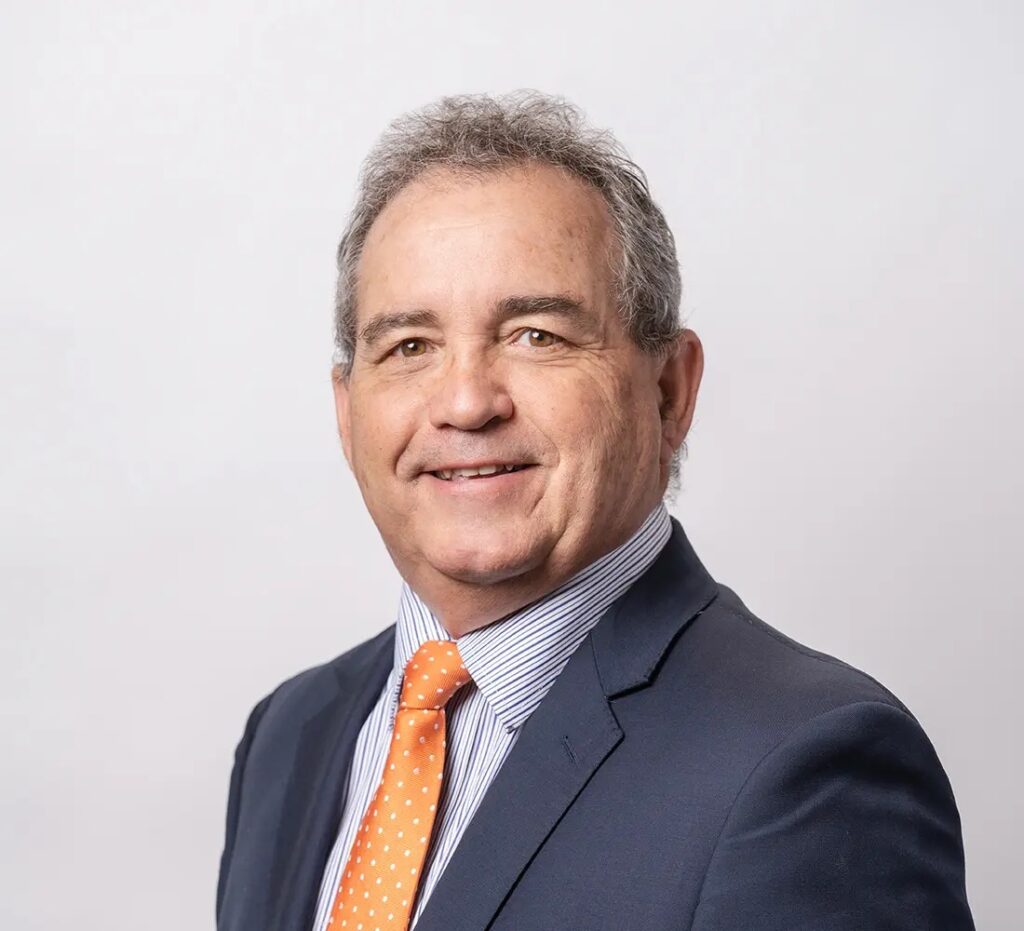
Greg Stiles is HISA’s Senior Accreditation Manager and the liaison to all tracks in completing their Racetrack Safety Accreditation Audits.
REMARKS:
Questions:
Are you operating under civil law?
Documentation of all rules approved by the FTC. THE PAPER-trail!
Where is the FTC during this meeting? (They are the authority- not you!)
Define term “accreditation “.
Which authority do you operate under, civil law or criminal law? Or is a contract law? Is it torque law?
Have any of you taken oath of office? If so, where can I read them, and could you please read them or recite them publicly here now?
-is the Board of Directors bound to comply with the recommendations given to him by the racetrack safety standing committee?
As per your PDF, why are you? “equipment inspections”? How does that fall under the authority of safety? How does taxpayer money going towards paying for inspecting privately owned equipment from a privately owned racetrack have anything to do with the common good of the taxpayer… Essentially the tax part who is not involved in the industry?
-What is HISA’s role in the industry? (Do they ever mention human safety or compliance with the constitution,)
-define “participant”.
Which jockeys or riders asked you or elected you to look out for their safety?
In your studies, has there been a fluctuation over the different years of equine fatalities and injuries? In other words is the number higher one year and lower and next year and then hire another year and lower next year? Or, have you constantly seen that number rise throughout your studies over the years, and if so, which years are you indicating?
Furthermore, how can you attest that only accumulating data since 2022, or 24??? Can you surmise that you have taken in effect in comparison to the fluctuation of numbers in the past, taking a scientific method into account. And?
As per the PDF provided, as far as their percentage of less injuries, what was the comparison of number of starts to the comparison of stars of the years prior to those exact years, as well. Therefore, is the ratio exactly the same, less, more… What is it? Here are the numbers:
–
What number of equine deaths, exactly is the goal of your operation? In other words, there’s no way it could be zero, so what is the number you’re looking for? The ratio or percentage per starts/activities? The exact number?
How to avoided claim rules and “other certain measures “fall under the guise of “safety “?
Which “
Additional material testing is performed for
turf and synthetic surfaces.”? Who is conducting these tests? Where can we look at the results of those tests? How can we supervise those people while they are performing those tests so that we, the public can document how they are doing those tests specifically and only on synthetic surfaces? What person do we talk to, and how do we set up to coordinate our schedule so that we can oversee, monitor and see to it that they do it correctly?
What are the tests involved, considering synthetic services; what data do you have which shows that testing was required in the first place requiring a fix on synthetic surfaces? Where can we look at that exact idea which you just cited?
Defined the term, “accreditation visit”. Since you say that this visit “ for the staff time to visit the tracks quote, in the past, who has visited the tracks for these accreditation visits? Where can we look at and publish their findings regarding those visits? How much were these people paid for these visits? Were they written a check, or was it by way of direct deposit or some kind of electronic way? Were they paid weekly, biweekly, monthly, annually, what was their whole salary?
Who wrote their check? Who signed their check? And what bank was that check drawn from?
If race tracks do not comply with the “racetrack safety “program “, what law or statute is such racetrack violating, which would authorize HISA to take legal action in any jurisdiction?
You mentioned, “ongoing reporting requirements “. What are the “ongoing reporting requirements, “; and where can we read them and publish them?
and in the above sentence, “you say “provide training, “… Training for who? How much does that training cost? Who is being trained, are they being paid widely being trained, who is training them; and is the person who is training them getting paid a separate salary for training, as well?
“
The accreditation team consists of four to five subject matter experts in areas ranging
Who are these four or five subject matter experts? What other names, who is paying them, what are they, “experts, in which areas?: if they are experts, please provide their credentials now. if these comical experts “are always changing, how can the public keep a running tab on who is the current acting four or five?
Who are the experts? In these particular places, what are their credentials so we can publish them: from racetrack administration, security, equine and human safety and track surfaces. In addition to meeting with track managers in group and individual settings and touring the areas of the track that fall under their expertise, the team observes training and racing. The team discusses with the track its plans to remedy deficiencies both during the accreditation visit and in writing as part of a detailed accreditation report.
HISA accredits tracks for different term lengths based on their level of compliance with HISA rules and operational readiness. Tracks with strong, consistent safety practices may be accredited for longer periods, while those who are addressing identified gaps or generally strengthening their programs may be accredited for shorter periods to allow for closer follow-up by HISA. This approach is designed to recognize tracks’ current performance and ongoing commitment to meeting HISA’s national safety standards”
What the fuck are these term links, and who decides these term blanks and the length of them? Cite the statute.
Define “operational readiness. “
HISA’s Racetrack Safety Standing Committee,
comprised of four independent members
Who are these four? What are their names?
and three industry members selected to represent
Who are these three? What are their names?
equine constituencies,
reviews each accreditation report,
For transparency, what is the process of that review, and what credentials do they have which is deemed them with the authority or the education to:
provides recommendations regarding
safety improvements ?
to each track and ultimately
makes a recommendation to the HISA Board of Directors as to whether to grant accreditation
to the track and for how long. All accreditation
decisions must be ultimately approved by the
HISA Board of Directors.
“
-None of this PDF talks about human safety. How do you gerrymander into charging money to buy HISA approved safety equipment for free lancers?
-Who is Lisa Lazarus, CEO of HISA (CEO INDICATES A CORPORATION!)
Isn’t adjudication and investigating, both at the same time, a conflict of interests?
Who is who
OUR TEAM
Interested in serving on the Racetrack Safety Committee? Complete and submit the Nominee Screening Questionnaire, along with a statement of interest and resume to Anjali Salooja atanjali.salooja@hisaus.
Section 5(a) of the FTC ACT
TEXT:
§181. Short title
This chapter may be cited as the “Packers and Stockyards Act, 1921.”
(Aug. 15, 1921, ch. 64, title I, §1, 42 Stat. 159 .)
Short Title of 1987 Amendment
Pub. L. 100–173, §1, Nov. 23, 1987, 101 Stat. 917 , provided that: “This Act [enacting sections 197 and 228b–1 to 228b–4 of this title, amending sections 182, 192, 209, 221, 223, 227, and 228a of this title, repealing sections 218 to 218d of this title, and enacting provisions set out as notes under sections 182 and 227 of this title] may be cited as the ‘Poultry Producers Financial Protection Act of 1987’.”
Improved Investigative and Enforcement Activities Under This Chapter
Pub. L. 106–472, title III, §312(a)-(d), Nov. 9, 2000, 114 Stat. 2076 , 2077, provided that:
“(a) Implementation of General Accounting Office [now Government Accountability Office] Recommendations.-Not later than 1 year after the date of the enactment of this Act [Nov. 9, 2000], the Secretary of Agriculture shall implement the recommendations contained in the report issued by the General Accounting Office [now Government Accountability Office] entitled ‘Packers and Stockyards Programs: Actions Needed to Improve Investigations of Competitive Practices’, GAO/RCED–00–242, dated September 21, 2000.
“(b) Consultation.-During the implementation period referred to in subsection (a), and for such an additional time period as needed to assure effective implementation of the recommendations contained in the report referred to in such subsection, the Secretary of Agriculture shall consult and work with the Department of Justice and the Federal Trade Commission in order to-
“(1) implement the recommendations in the report regarding investigation management, operations, and case methods development processes; and
“(2) effectively identify and investigate complaints of unfair and anti-competitive practices in violation of the Packers and Stockyards Act, 1921 (7 U.S.C. 181 et seq.), and enforce the Act.
“(c) Training.-Not later than 1 year after the date of the enactment of this Act, the Secretary of Agriculture shall develop and implement a training program for staff of the Department of Agriculture engaged in the investigation of complaints of unfair and anti-competitive activity in violation of the Packers and Stockyards Act, 1921. In developing the training program, the Secretary of Agriculture shall draw on existing training materials and programs available at the Department of Justice and the Federal Trade Commission, to the extent practicable.
“(d) Implementation Report.-Not later than 1 year after the date of the enactment of this Act, the Secretary of Agriculture shall submit to Congress a report describing the actions taken to comply with this section.”
Overview:
Section 5(a) of the Federal Trade Commission (FTC) Act is a crucial component of U.S. antitrust law. It establishes the legal framework for preventing unfair competition and deceptive practices in commerce.
Key Provisions
- Unlawfulness Declaration: It declares that unfair methods of competition and unfair or deceptive acts or practices in or affecting commerce are unlawful.
- Empowerment of the FTC: The section empowers the FTC to take action against individuals and businesses engaging in these unlawful practices.
Enforcement and Remedies
The FTC is authorized to:
- Investigate and prevent unfair methods of competition.
- Seek remedies for consumer harm, which may include monetary redress and other forms of relief.
Implications for Businesses
Businesses must ensure their practices comply with Section 5(a) to avoid legal repercussions. This includes:
- Avoiding deceptive advertising.
- Ensuring fair competition in the marketplace.
By enforcing these provisions, the FTC aims to protect consumers and maintain a competitive market environment.